How to Choose a Digestive Enzyme: Five Things to Check First | Steven Wright
Have you tried digestive enzymes for bloating, gas or food sensitivities, felt nothing after a few days, and quietly decided they just don't work for you?
They might, with the right one at the right dose. A lot of enzyme products aren't built for real-life results, so knowing how to choose a digestive enzyme matters as much as deciding to take one. Most of what you need to know is sitting on the label, once you know how to read it.
Key Insights
- Pig Pancreatin Outworks Beef at pH 7
- Look for Activity Units on the Label
- Cofactors Like Minerals Help Enzymes Work
- Fungal Blends Cover a Wider pH Range
- Smelling Food May Prompt Enzyme Release
- Undigested Food May Feed SIBO and Candida
Choose Your Platform



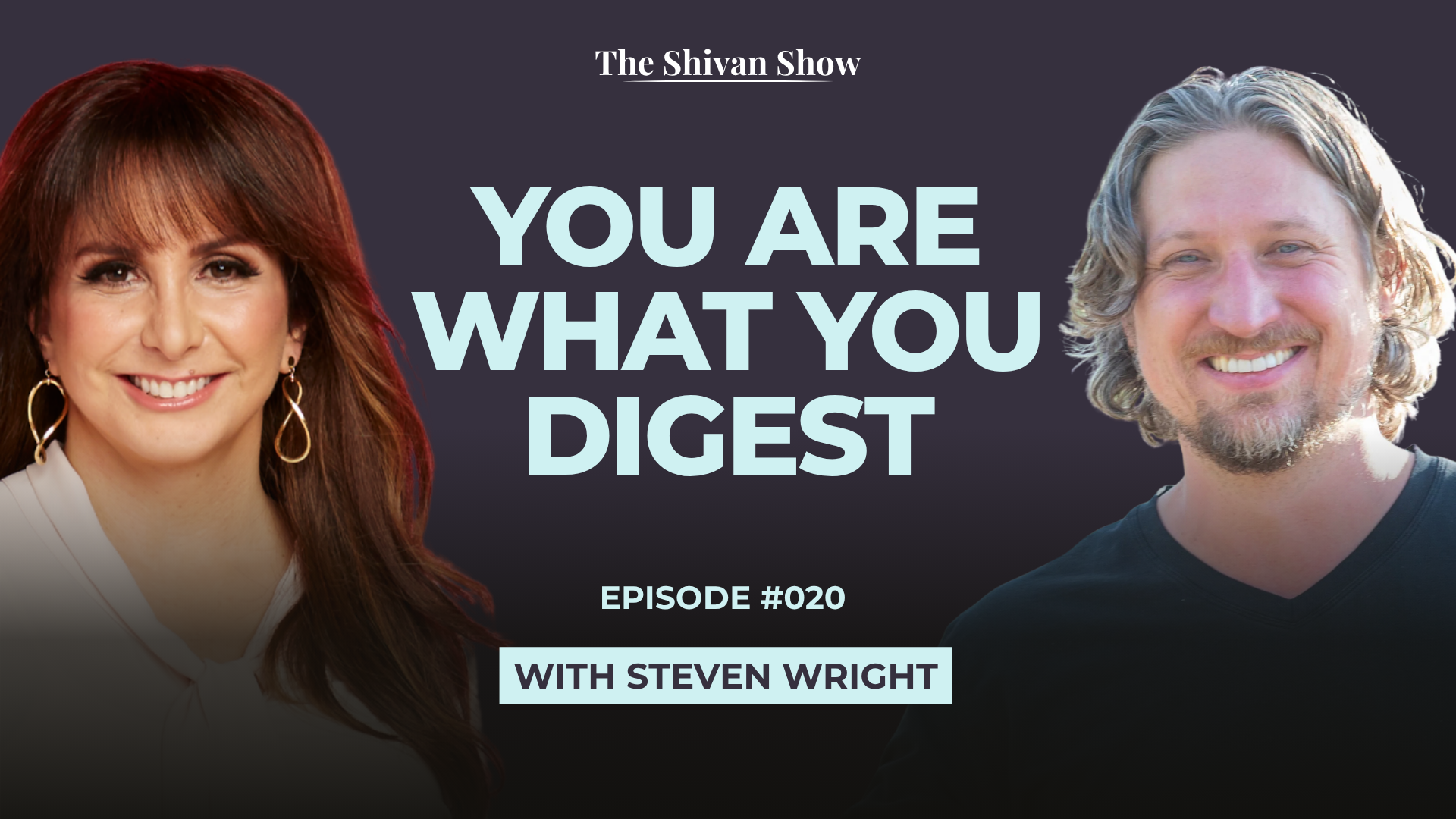
Steven Wright is a health engineer who trained at the Kalish Functional Medicine Institute and has been researching and writing about gut health since 2009. He's lived it too, with GI issues on and off his whole life.
Why your safe food list keeps shrinking
Maybe you've jumped from healing diet to healing diet. You cut out more foods every year, and when it's time to add them back in, you struggle. You feel like you're doing everything right and you still have low energy, digestion issues with foods, or recurrent infections like SIBO or Candida.
Wright's view is that it might not be the food's fault. You are not what you eat, he says, you're what you actually break down and what you absorb. Even a really good diet can leave you malnourished and inflamed if your enzymes aren't breaking food down in the right place.
What digestive enzymes actually do
Enzymes speed up chemical reactions, and digestive enzymes break whole foods down into structures your body can absorb. They work in four places. Your mouth makes salivary amylase for carbohydrates. Your stomach makes pepsin for protein. Your small intestine gets pancreatic enzymes and brush border enzymes, like lactase, maltase and invertase. And your large intestine relies on microbiome enzymes, made by gut bacteria such as Lactobacillus.
Fat is the easiest to digest. Protein comes next. Carbohydrates are the hardest, and that bucket includes fiber and plant material.
How undigested food can feed SIBO and Candida
Your small intestine is usually somewhere around 22 to 28 feet long, and a lot of what you absorb is meant to be taken up along the way, starting in that first foot. If your enzymes don't break food down in the time it takes to travel that distance, two things can happen. You absorb fewer nutrients. And food arrives further down still undigested, where it can become fuel for overgrowth.
Wright calls it leaving food out in the wild. Nature responds to food left out, in your gut the same as outside your front door.
Who's more likely to run low on digestive enzymes
He points to a few groups. People with microbiome imbalance, such as low Lactobacillus. People with small intestinal inflammation from celiac disease or non-celiac gluten sensitivity. Improper stomach acid. A sluggish or blocked pancreas. Stress. And simply getting older, especially from about 45. It can look like gas, bloating, low energy, low nutrient status and food sensitivities.
There are things that may support your own enzymes too. Smell your food before you eat. Chew longer. Look after your stomach acid. And get enough minerals, because minerals are typically the cofactors your enzymes need.
How to choose a digestive enzyme: five things to check
First, all three categories: pancreatic, brush border and microbiome enzymes. Testing can't tell you yet which ones you're short on. A stool test can show elastase, a marker for pancreatic enzymes, but Wright isn't aware of a test for the other two.
Second, a broad pH range. Animal pancreatin works best between roughly 5 and 8. Blends of fungal enzymes can be stacked to cover something like 2 to 11, and you have no idea what the pH inside your own gut is.
Third, cofactors. Every enzymatic reaction needs one, and more cofactor inclusion may mean more consistency from meal to meal.
Fourth, activity units on the label. Milligrams alone don't tell you how much an enzyme can break down. Activity units do.
Fifth, no unneeded fillers or extras that may block enzymes or cause extra reactions. Wright suggests taking a screenshot of these five and checking your own product against them.
Reading a supplement facts label
Ingredients are listed from the most to the least. On one popular label he looked at, the smallest amount was invertase, a brush border enzyme, and the largest was organic flaxseed, which isn't an enzyme at all. Others leaned on maltodextrin, medium-chain triglycerides, rice flour, silica or magnesium stearate. One had only lactase and cellulase standing in for the brush border and microbiome enzymes.
What he wants to see instead: units listed for every enzyme, a blend of each type, all three categories, cofactors, and nothing else in the capsule.
How many digestive enzymes should you take?
This is where a lot of people give up. They spend the time and money on a good enzyme, it doesn't work in the first couple of days, and it ends up in what he calls the supplement graveyard. The amount on the panel isn't health advice tailored to you, and your height and weight aren't the guide. Symptoms and outcomes are. Can you tolerate food? How do you feel? How are your bowel movements?
His suggestion is to work with your healthcare provider, who can help you titrate up and down to find your amount. In his view, a lot of people are underdosing.
So if enzymes have let you down before, it may not have been you, and it may not have been enzymes either. Check your label against those five things, talk to your provider about the dose, and give the right product a fair try. There are answers, and you're not alone in this.
Resources
HoloZyme by Healthy Gut
Activated enzymes for easier digestion.
Use code SHIVAN to save 10%.
https://sibosos.com/podcast-holozymeHealthy Gut Website
https://healthygut.com/Follow Healthy Gut on Instagram
https://www.instagram.com/healthygutcoFollow Healthy Gut on YouTube
https://www.youtube.com/@HealthyGutCoFollow Healthy Gut on Facebook
https://www.facebook.com/HealthyGutCompany/Dr. Allison Siebecker's Fullscript Dispensary
Shop over 15,000 practitioner-grade supplements, explore Dr. Siebecker's curated wellness plans, and enjoy exclusive pricing.
https://sibosos.com/podcast-fullscriptSIBO SOS
Looking for answers to bloating, IBS, constipation, diarrhea, or SIBO? Explore free resources, expert interviews, educational courses, coaching programs, and trusted recommendations to support your gut health journey.
https://sibosos.com/podcast-sibososMicrobiome Labs, home of MegaSporeBiotic™
Use code NOBLOAT15--SHIVAN-SARNA to save.
https://sibosos.com/podcast-microbiomelabsPureO3 - Ozone at home and ozone beauty products
Use code 7SS to save.
https://sibosos.com/podcast-promolifeThe Women's Health Rescue Summit
https://sibosos.com/podcast-whrsThe New Science & Wisdom of Menopause Summit
https://sibosos.com/podcast-menopause-summitLymphatic SOS & Rescue Summit
https://sibosos.com/podcast-lymphsummitWhole Body Dental Rescue Summit
https://sibosos.com/podcast-whole-dentalThe Gut Rescue Summit
https://sibosos.com/podcast-gut-rescueFollow Shivan on Instagram
https://www.instagram.com/shivansarnaofficial/This episode is for general information only and is not medical advice. Nothing here is intended to diagnose, treat, cure or prevent any condition. Talk to your doctor before making changes to your care.