How to Write a Book About Your Life Story: Where to Start | Natalee Bloom
Have you ever felt like you've got a book in you, maybe the story of your own life, but writer's block, a packed schedule and no idea whether to self-publish, find a publisher or hire a ghostwriter keep you from ever starting?
You're closer than you think. If you want to know how to write a book about your life story, start here: the ghostwriter who helped me write my second book says writer's block is a myth. If you can have an idea and get it out, by typing, with a pen or in a voice note, you're already writing.
Key Insights
- A Voice Note Counts as Writing
- Scattered Notes Are a Sign to Start
- Publishers Expect Authors to Do the Marketing
- Build Your Platform Before Pitching Publishers
- Everyday Stories Resonate More Than You Think
- Writing Your Book Can Change You Too
Choose Your Platform


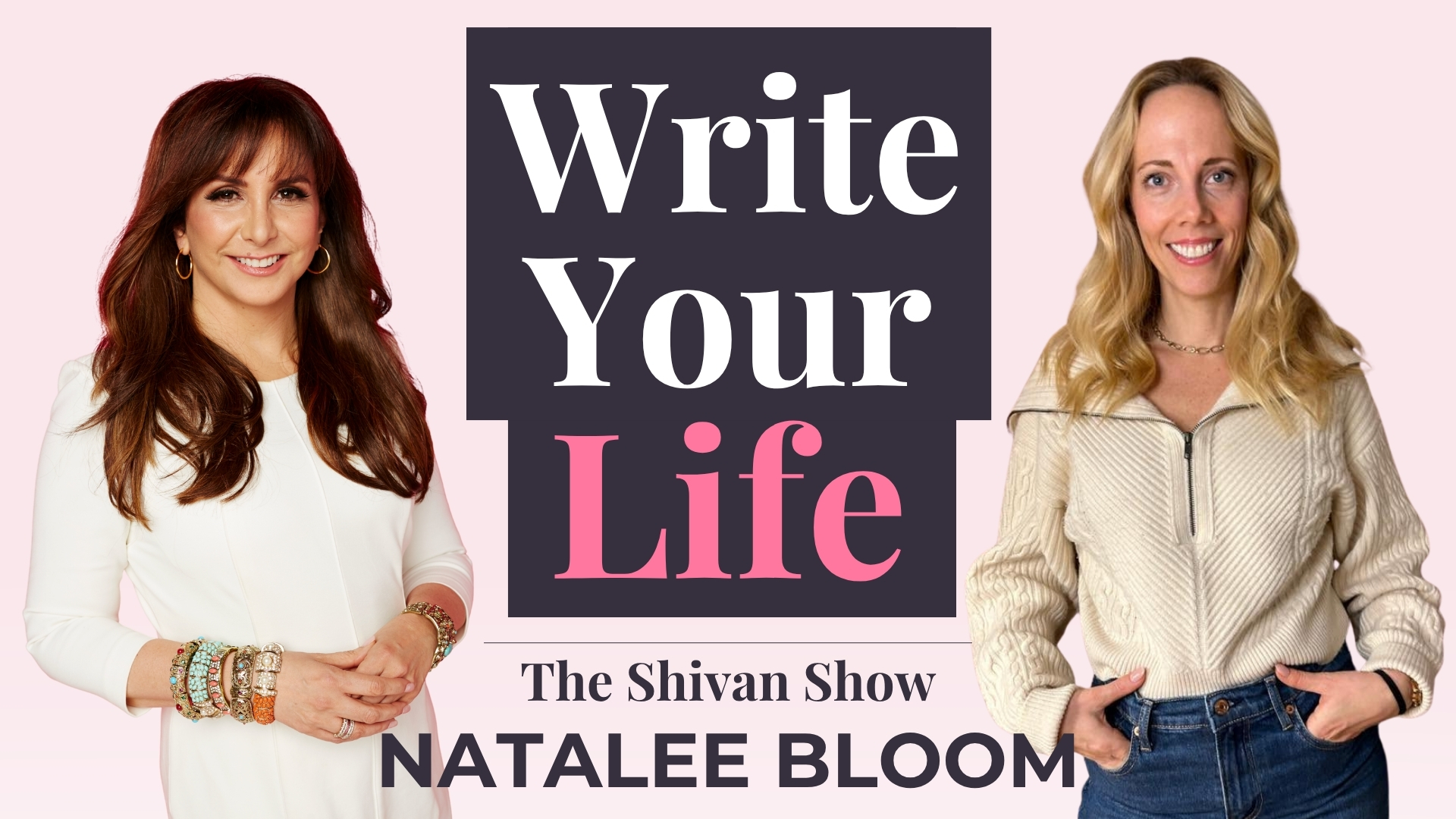
Natalee Bloom is a ghostwriter and developmental editor who works with New York Times bestselling authors, and she's the person who helped me write my second book. She has an MFA from Trinity College Dublin, and she still says her first attempt at her own book was so bad that she let the anger fuel her into creating a methodology.
Can anyone turn their life story into a book?
Yes. Natalee puts it plainly. Writer's block is a myth, and everyone can write. Writing is really two skills. You come up with an idea, then you push it through a physical medium. Typing, a pen, a voice note. It all counts.
She sometimes gets up and moves while she writes, because for her, writing is dancing. That matters, because so many of us quietly decide writing is for other people and not for us.
It doesn't even have to be a book yet. Journaling counts. You look back at a really difficult season on the page and realize, wait, I handled that. Good job.
How do you know it's time to start writing your book?
Most people Natalee talks to have been writing their book for years without calling it that. It's 47 different Google notes. It's a line that comes to you while you're washing the dishes. When you want to put it all down and organize it, that's the call.
There's really never a convenient time, so try to find 24 hours at least and get started there. Then build the muscle.
Should you write it yourself or hire a ghostwriter?
Natalee sees two paths, and both are wonderful. If you want to learn the craft, go for it. It's a skill you can learn, and a story told well can change someone's life for the better.
If you want to tell your story but you don't know how, and you don't want to learn, that's when a thought partner, an editor or a ghostwriter can come in. Usually it's because you've got something else going on. You're building a business. You're raising a family.
Natalee doesn't need her name on it. She did the heavy lift on my book, and it's still going to say Shivan Sarna on the front. Either way, the finish line is the same. Your story, out in the world.
What a ghostwriter or developmental editor actually does
With one group of authors, she worked for about seven months on Zoom, using the methodology she built for herself. With one group, they finished at a writing retreat in an 1800s manor house in the Hudson Valley, with a private chef, hiking trails and emergency champagne for whoever finished their book.
Copy editing and line editing make sure the grammar is right. Development is the bigger job. This chapter is tight. That one needs to be cut. This one's missing.
An editor also sees what you can't. So often we can't see the label from within the jar. There were times Natalee stopped me and said, what you did here was pretty remarkable, and this part of your story is going to help someone.
Self-publishing or a traditional book deal?
Natalee's view is that traditional publishing is a business transaction. You're offering the publishing house your audience. They print the book and do some of the marketing, but the onus is on you. If you don't have a way to get your audience excited, it can be a difficult experience.
When I sold my first book, Healing SIBO, which Avery at Penguin Random House published, the proposal was basically the framework for the whole book. There was a bidding war, and I got a six-figure deal. One of the reasons was that I had a big email list and was on HSN at the time.
So if you want a traditional deal, build your author platform first. Own your email list, and don't rely only on social platforms, because they can go away.
Self-publishing is the other option, and Natalee and her team do it. You keep all the rights to your intellectual property and can put it out on Amazon. If you're a speaker in front of thousands of people every week, a self-published book can sell right there.
Why you have to keep marketing your book
However you publish, one of my mentors, JJ Virgin, will tell you to never stop marketing it. You have to act like it's brand new every day. Put it on the bottom of your emails. And if you stopped marketing a book you already have, pick it back up.
Your story can help someone. Natalee calls it a lie that it can't, and I agree. The things you take for granted about your own life might be exactly what someone else needs to read. It's never too late, and it's a really good idea to start as soon as you think of it. Grab the scrap of paper, open a voice note, and get the first piece down.
Resources
Natalee Bloom's Website
https://nataleebloom.comFollow Natalee Bloom on Instagram
https://www.instagram.com/nataleebloom/Follow Natalee Bloom on TikTok
https://www.tiktok.com/@natalee.bloomFollow Natalee Bloom on YouTube
https://www.youtube.com/@nataleebloomFree SIBO Webinar with Shivan Sarna and Dr. Allison Siebecker
Join the current free live webinar on understanding where you are with SIBO and how to think about what comes next.
https://sibosos.com/podcast-nextSIBO Navigator
A four-month SIBO education and navigation program with Dr. Allison Siebecker and Shivan Sarna. Includes the SIBO Recovery Roadmap® course, the SIBO Algorithm, a masterclass library, AI search tools, and eight live Q&A sessions over four months.
https://sibosos.com/podcast-sibonavigatorDr. Allison Siebecker's Fullscript Dispensary
Shop over 15,000 practitioner-grade supplements, explore Dr. Siebecker's curated wellness plans, and enjoy exclusive pricing.
https://sibosos.com/podcast-fullscriptSIBO SOS
Looking for answers to bloating, IBS, constipation, diarrhea, or SIBO? Explore free resources, expert interviews, educational courses, coaching programs, and trusted recommendations to support your gut health journey.
https://sibosos.com/podcast-sibososMicrobiome Labs, home of MegaSporeBiotic™
Use code NOBLOAT15 to save.
https://sibosos.com/podcast-microbiomelabsPureO3 - Ozone at home and ozone beauty products
Use code 7SS to save.
https://sibosos.com/podcast-promolifeThe Women’s Health Rescue Summit
https://sibosos.com/podcast-whrsThe New Science & Wisdom of Menopause Summit
https://sibosos.com/podcast-menopause-summitLymphatic SOS & Rescue Summit
https://sibosos.com/podcast-lymphsummitWhole Body Dental Rescue Summit
https://sibosos.com/podcast-whole-dentalThe Gut Rescue Summit
https://sibosos.com/podcast-gut-rescueFollow Shivan on Instagram
https://www.instagram.com/shivansarnaofficial/This episode is for general information only and is not medical advice. Nothing here is intended to diagnose, treat, cure or prevent any condition. Talk to your doctor before making changes to your care.